September 17, 2026
Renovating interior spaces requires careful planning, technical precision, and a thorough understanding of structural materials. While selecting new surface designs and modern finishes often receives the primary focus during a property update, removing existing surface materials remains a foundational phase that dictates overall project success. Outdated tiles, worn hardwood, resilient vinyl, and heavy concrete overlays present distinct physical challenges that require specialized machinery and strategic protocols. Attempting surface tear-out without professional oversight can lead to unexpected subfloor damage, severe indoor air contamination, and extended project delays. Partnering with a licensed flooring contractor guarantees that every stage of surface removal is conducted safely, systematically, and in full compliance with regional safety standards.
Identifying Hidden Structural Hazards Before Demolition
Before physical extraction commences, a detailed structural evaluation is performed to uncover concealed obstacles beneath existing materials. Experienced technicians carefully examine perimeter edges, transition zones, and underlying subfloor components to assess structural integrity. Older residential properties frequently contain historic adhesives, regulatory chemical treatments, or volatile backing compounds that require specialized handling protocols. A qualified flooring contractor identifies these potential hazards early, implementing targeted safety measures to protect occupants and site workers throughout the extraction process.
Systematic risk assessment also involves evaluating the mechanical bonds connecting surface materials to the subfloor. For example, hardwood installed with heavy-duty mechanical fasteners requires a completely different extraction technique than ceramic tile set in mortar beds. Forcing materials up without understanding their bonding mechanism can splinter plywood subfloors or gouge concrete slabs. Thorough pre-demolition planning ensures that appropriate hand tools, mechanical scrapers, and protective barriers are deployed, allowing for smooth material separation without compromising the underlying structural foundation of the building.
Utilizing Advanced Environmental Dust Containment Infrastructure
Removing stubborn surface materials like ceramic tile, stone, or bonded hardwood generates immense volumes of fine dust, mortar particles, and airborne debris. Without rigorous containment procedures, fine particulates travel quickly through HVAC ductwork, settling on furniture and walls throughout distant rooms. A professional flooring contractor utilizes heavy-duty plastic sheeting, magnetic zipper portals, and negative air pressure systems to isolate the active work zone completely. Containing dust at its source maintains high indoor air quality across non-renovated sections of the building.
Industry sector analytics highlight the immense operational scope of surface preparation and placement services. According to Fortune Business Insights, the surface laying and installation services sector captured the highest concrete flooring market share in 2024, generating a revenue of $1.09 billion. This vast market scale demonstrates the critical demand for specialized equipment and professional field execution across complex surface projects. Modern contractors rely on continuous investments in industrial dust collection equipment to handle these material volumes safely and efficiently.
Advanced dust control relies on high-efficiency particulate air filtration units connected directly to mechanical removal equipment. Industrial vacuums draw fine particulates out at the point of impact, preventing microscopic dust from becoming airborne during scraping or grinding. Field technicians wear specialized personal protective gear, including air-purifying respirators and eye protection, ensuring workplace safety standards are maintained. Controlling environmental dust protects human health and minimizes post-demolition cleanup efforts across the property.
Deploying Specialized Mechanical Surface Extraction Machinery
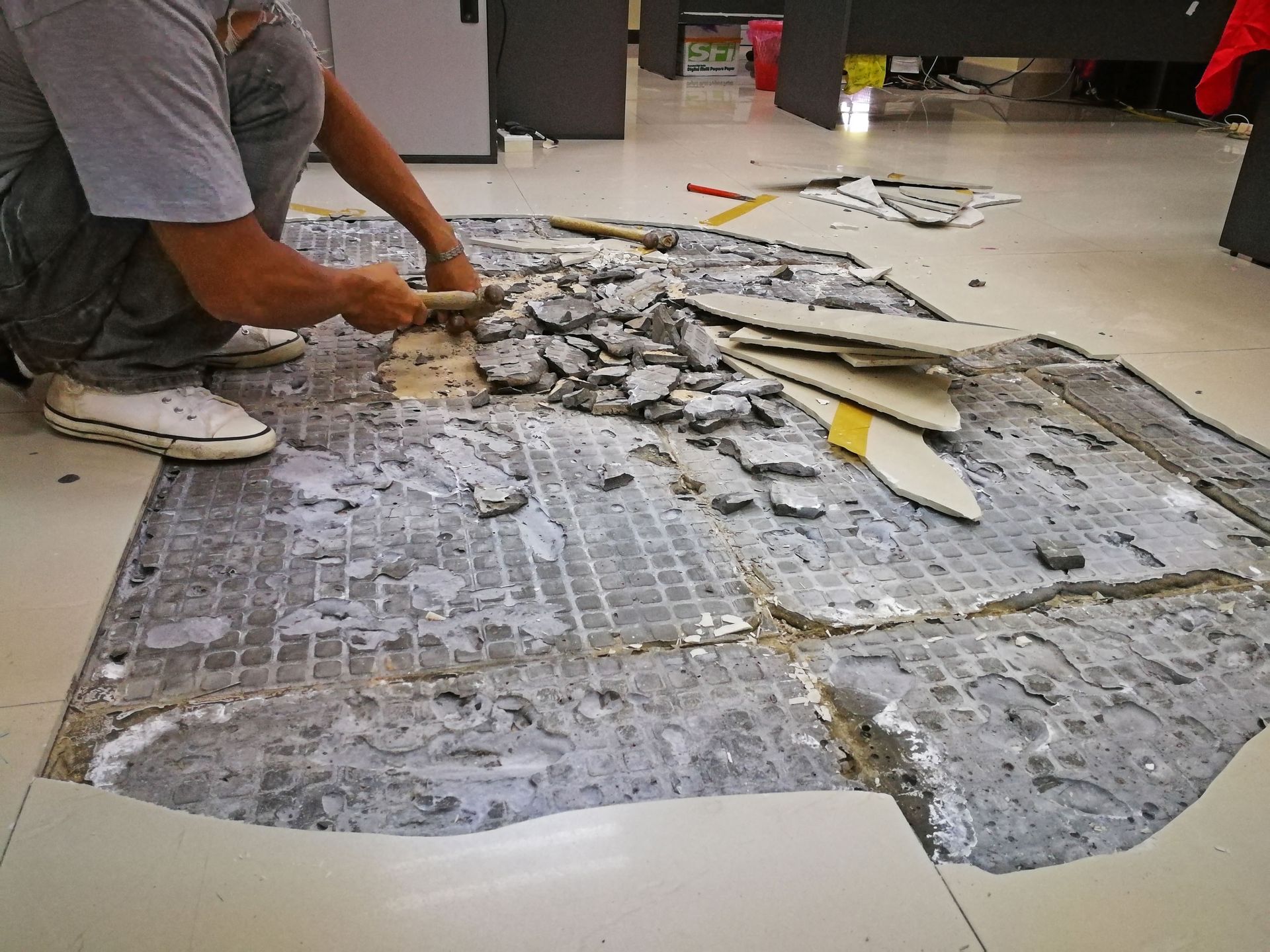
Manual surface removal using hammers and manual scrapers is physically exhausting, time-consuming, and often ineffective across expansive floor plans. Modern commercial operations rely on specialized hydraulic stripping machinery designed to shear off tough materials effortlessly. These machines slide high-grade steel blades under stubborn tile, carpet, thin-set, and sheet vinyl, lifting materials cleanly away from concrete slabs. Employing mechanical power reduces manual labor requirements significantly while speeding up overall project completion schedules.
Machinery selection is tailored precisely to the specific type of material being extracted and the weight capacity of the building structure. Lightweight electric strippers are preferred for upper-level residential spaces, whereas heavy hydraulic units excel in open commercial warehouses. A certified flooring contractor calibrates blade pitch, hydraulic pressure, and travel speed to prevent gouging or scratching the underlying concrete foundation.
Beyond broad surface machinery, specialized handheld grinders and pneumatic chisels are utilized around perimeter walls, tight doorways, and delicate fixtures. These secondary precision tools remove stubborn adhesives and mortar ridges that larger machinery cannot reach. Combining mechanical extraction with detail-oriented hand work yields a uniform, smooth subfloor surface ready for modern floor coverings.
Managing Subfloor Evaluation and Surface Remediation Protocols
Once surface materials are completely stripped away, attention shifts directly to inspecting, repairing, and leveling the exposed subfloor. Stripping old surfaces frequently uncovers underlying cracks, uneven joint transitions, spalled concrete, or damaged plywood panels that must be addressed before installing new finishes. A skilled flooring contractor inspects the raw substrate thoroughly, using precision straightedges and leveling tools to map out surface irregularities. Rectifying structural imperfections at this stage prevents premature wear on future surface installations.
Surface remediation protocols involve removing residual adhesives, thin-set mortars, and old leveling compounds through mechanical grinding or shot-blasting. Leaving sticky glue or loose mortar ridges compromises the bond of new floor coverings, leading to hollow spots or floor failure. Industrial grinding opens the pores of concrete slabs, creating a clean profile that ensures optimal bonding for new primers, self-leveling underlayments, or moisture mitigation coatings applied during preparation.
For wooden subfloors, technicians reinforce loose joists, countersink exposed fasteners, and replace compromised plywood sheets to eliminate annoying squeaks and structural deflection. Ensuring subfloors meet rigid deflection tolerances guarantees that newly installed tile, hardwood, or resilient planks remain stable under heavy foot traffic. Meticulous subfloor remediation establishes a flat, durable foundation that maximizes the lifespan and visual appeal of your new interior finishes.
Executing Responsible Waste Handling and Environmental Disposal
Tear-out operations generate vast quantities of heavy waste, including broken ceramic tiles, wooden planks, nails, and dense underlayment debris. Managing this bulky material requires organized site logistics to keep walkways clear and prevent hazards. Field crews continuously sort debris at the work site, loading waste directly into heavy-duty disposal bags or mobile collection containers. Systematic waste organization prevents clutter, maintains high workplace safety, and keeps the project site operating smoothly throughout active demolition phases.
Environmental responsibility is a primary priority during professional material disposal operations. Experienced operators separate recyclable materials like clean timber, metal strips, and uncontaminated concrete from general construction waste. Sending recyclable materials to specialized processing facilities diverts salvageable waste away from local landfills, supporting sustainable building practices within the community. A conscientious flooring contractor coordinates with licensed waste haulers to guarantee that all discarded materials are processed in accordance with regional environmental mandates.
Final site management includes a comprehensive cleaning protocol using industrial vacuums equipped with fine-particle filtration. Technicians sweep, vacuum, and inspect every corner of the room to eliminate lingering grit and dust particles before declaring the workspace clear. Handing over a pristine, dust-free subfloor allows subsequent trades to begin installation work immediately without risk of contamination or delays.
Navigating the complexities of surface removal requires specialized knowledge, industrial machinery, and strict adherence to safety protocols. From identifying hidden hazards and containing airborne dust to operating heavy extraction equipment and preparing subfloors, professional management ensures your renovation remains efficient and stress-free. Investing in qualified expertise protects your building's structural foundation, preserves indoor air quality, and creates the ideal foundation for beautiful, long-lasting surface installations across your home or business.
If you are ready for professional surface removal and seamless installation services, contact a flooring contractor at A & B Abbey Carpet and Floor today. We will help you transform your interior spaces with expert care and precision.